
Whoa! The first time I clicked a “connect wallet” popup and nearly froze, something felt off about the whole flow. My instinct said “this is risky” and my eyes darted for red flags. Initially I thought browser wallets were all the same, but then I set up Rabby and realized the UX and permission model can actually reduce mistakes. Seriously? Yes. Here’s the thing: a safer experience doesn’t mean perfect security, though it sure helps avoid dumb mistakes that cost you money.
Wow! Setting up Rabby felt familiar at first. Installation was quick, and I appreciated the clear permission prompts. On one hand the UI is uncluttered, though actually some advanced settings hide in menus where you wouldn’t expect them. My gut said “nice” when I saw transaction simulation, but I also poked around with contract calls to be sure. I’m biased, but this part really improved my day-to-day trading workflow.
Really? Did it stop every scam? No. Rabby reduces risk, but it doesn’t replace vigilance. For example, the prompts for approving token allowances are clearer, and you can revoke allowances without hunting through etherscan or multiple sites. That saved me time and let me tidy up approvals I forgot about. I’m not 100% sure about every edge case, but it’s a meaningful improvement.
Here’s the thing. The extension model gives you convenience and speed, which is why most DeFi users prefer it. It also opens an attack surface though, because your browser is exposed to malicious pages. So the trade-off is real. My working rule: treat the extension like a fast lane, but keep the big funds cold. That division helped me sleep better at night.
How Rabby Changes the Game (Practical, not just hype)
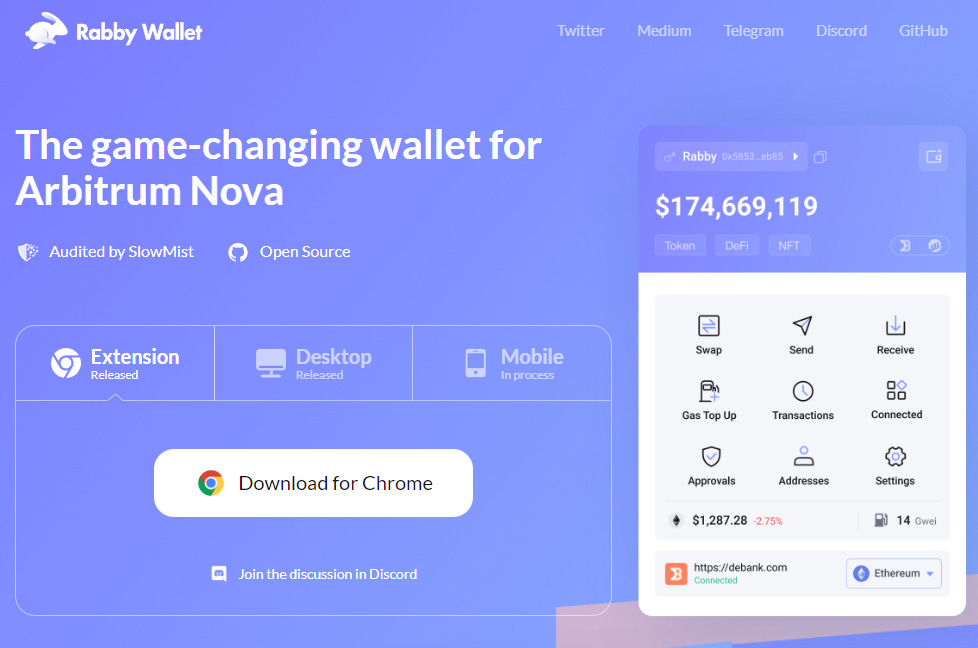
Okay, so check this out—Rabby’s transaction simulation gives you a preview of what a transaction will do before you sign it. That preview often shows token transfers and contract interactions in plain language, which matters. On complicated approvals, Rabby will summarize allowances and suggest safer defaults, which helps novices avoid infinite approvals. I tried it on a test swap and saved myself from granting a massive allowance to a questionable contract. (oh, and by the way… I still double-check on a block explorer sometimes.)
Hmm… my first impression was “too many options,” but then I learned that the advanced features are for pros and the defaults are pretty sensible. There’s also built-in address book support, which reduces the chance of sending funds to wrong addresses when you transact often. On the other hand, the address book is manual, so you still need discipline to verify addresses. Initially I thought automatic whitelisting would be better, but actually manual control prevents accidental trust creep.
One thing that bugs me: browser extensions rely on the browser’s security, and updates can be delayed by the store review process. That said, Rabby’s frequent updates show active maintenance, which is reassuring. I tend to keep small balances in the extension and move larger holdings to hardware wallets. That split—fast wallet for interactions, hardware for custody—has been my most reliable strategy.
Seriously, managing multiple accounts is smoother here. You can create many sub-accounts and switch between them with minimal friction, which is crucial when you want to separate staking, trading, and ephemeral interaction accounts. My workflow now: one account for long-term holds, one for bridging and testing, and one for daily swaps. It’s not fancy, but it works and it keeps mistakes isolated.
Whoa! A quick note on dApp permissions. Rabby shows per-dApp permissions and lets you disconnect quickly. That’s very very important when you jump between dozens of protocols. I once left a grocery-list of allowances open and someone could’ve drained funds if the contract was malicious—so tidy revocations are lifesavers. I’m not 100% sure every user will follow that, but the UI nudges help.
Installing Rabby and Getting Started
Tap the extension, follow the prompts, and write down your seed phrase somewhere offline. Seriously, print it, scribble it, put it in a fireproof place—do not store seeds in email. Initially I thought cloud backups were convenient, but then realized they’re a liability for your main seed. If you want to try it today, you can get the official installer here and follow the step-by-step guide on the site. Be mindful: that link should be your starting point, not the end of your security checklist.
My setup routine is simple. Create a new account, fund it with a tiny amount, and test a small swap on a reputable DEX. If the transaction flows as expected, move on. If anything looks odd, stop. On another note, Rabby integrates with hardware wallets too, which is huge. Pairing a Ledger or Trezor adds a layer of protection that I recommend for larger balances.
Here’s a practical tip: separate tasks by account. For bridging, use an account with minimal funds. For staking, use a ledger-backed account. For gas fee experiments, use a burner account. This compartmentalization reduces stress and the chance you’ll accidentally execute a high-cost or malicious transaction. It sounds obvious, but I still see folks mixing roles and then paying for it—literally.
Okay—so check this out: Rabby shows the exact contract that will be interacted with on each transaction in a way that’s readable. Most wallets hide that behind developer jargon, but Rabby surfaces it. That matters when you’re dealing with new protocols; you get context. I’m biased, but that feature often makes the difference between clicking and backing out.
Common Questions (FAQ)
Is Rabby safe to use for everyday DeFi?
Short answer: yes, for many use cases. Long answer: it’s safer than many alternatives because of permission controls and transaction simulation, but it’s not foolproof. Use hardware wallets for large holdings and keep a hygiene routine—revoke allowances, verify addresses, and test with small amounts.
Can I connect Rabby to hardware wallets?
Yes. Rabby supports Ledger and similar devices, allowing you to sign critical transactions on the device itself. That extra confirmation step helps prevent browser-based compromises from draining your funds.
What should I watch out for?
Phishing pages, malicious dApps, and social-engineered contract approvals. Also, browser extension vulnerabilities are real. Keep your browser updated, only install trusted extensions, and never paste your seed phrase into a website. If something feels off, pause—your intuition is often right.