
Whoa, this is wild! I started chasing an NFT signal on Solana last month. At first it felt simple and clean, like a neat ledger. But as I dove into wallets and mint lists, following provenance and token metadata across programs became messy, revealing gaps that made me rethink tools and trust models. My instinct said there was a missing dashboard that actually helped.
Seriously, it’s tricky. NFT tracking sounds straightforward until you chase state across forks; somethin’ about it trips you up. You want the wallet history, the block time, and the mint event in one place. On Solana, where programs can be composed and transactions parallelized, those pieces live in different accounts and often require manual stitching, which surprises newcomers. That stitching is exactly why explorers become useful for investigators.
Hmm… my gut said stop. Something felt off about raw RPC logs and their missing human context (somethin’ smelled odd). I chased a few transactions across validators and lost the trail. Initially I thought that building a local parser would solve the problem, but then I realized the stable, indexed views that explorers provide are a different class of product, with curated UI, decoded instructions, and enrichment layers you don’t get from raw nodes. So I started comparing explorers to see who actually stitched data together.
Wow, the difference was obvious. Some tools only show token transfers with addresses and lamports. Others decode program instructions, list inner instructions, and surface mint metadata. The latter matters when you’re verifying provenance or tracking royalties, because the path a token took through marketplaces, escrow accounts, and program-derived accounts often determines who earned fees and who still holds obligations under collection rules (oh, and by the way, this can feel a little like standing in line at the DMV and asking for a receipt), and that can be legally and financially relevant. I’m biased, but that depth matters when real value is at stake.
Here’s the thing. An NFT tracker should let you follow an item’s lifecycle. It must expose mints, burns, transfers, and delegated authority changes. Beyond transactions, a strong tracker surfaces off-chain metadata links, points to the hosting data (Arweave, IPFS), flags mismatches between on-chain metadata and hosted JSON, and gives you exportable audit trails for researchers, lawyers, and power collectors. That export is very very important to me when proving provenance.
Seriously, this surprised me. I found one tracker that showed NFTs across marketplaces with clear timestamps. The UI let me click a mint and see related transactions in one consolidated view. This is powerful because you can identify wash trading patterns, examine timing edges between listing and sale, and detect when metadata pointers were swapped after a transfer, which often indicates fraud or sloppy mint processes. My instinct said: log everything, cross-reference timestamps, and verify hosts.
Hmm… that’s not all. Privacy practices and labeling inconsistencies complicate automatic tracking across collections. Some wallets hide activity or batch transactions under a single signer. On one hand you want transparency to hold marketplaces and creators accountable; though actually, there are legitimate privacy concerns for collectors who value stealth, meaning an explorer must balance traceability with sensible obfuscation options or filters. I’m not 100% sure exactly where the acceptable privacy line belongs in every case.
Okay, so check this out— using an explorer with tag databases and collection heuristics saves hours. It flags known marketplace programs, common marketplace splt patterns, and auction-style transfers. That contextual layering helps when a collection splits revenue in weird ways or the marketplace inserts intermediary contracts, because seeing the decoded instruction flow exposes where fees were computed and who ended up with what portion. In plain terms you can stop guessing about who received funds and why.
Whoa, the audit export helped. I exported a CSV of every transfer in a drop. Then I joined it with on-chain price oracles to estimate proceeds. Doing that allowed me to trace apparent wash trades, identify outlier buyers, and produce a simple report that resolved a copyright claim faster than the slow legal route, which was a relief for the creator and kept a marketplace incident from becoming a full-blown headache. If you’re a collector, that kind of traceability matters.
I’m biased, but— UX matters: a clean timeline beats raw JSON for quick decisions. Good explorers have permalinks so you can share a view with a lawyer. They also maintain historical decoded states, because program ABIs change and what was once readable may become opaque, so consistent decoding lets audits stay reproducible over months and years. Checkpointing state and preserving decoded instruction sets reduces investigator friction. (oh, and by the way… saving that state early saves pain later.)
Why I often reach for solscan
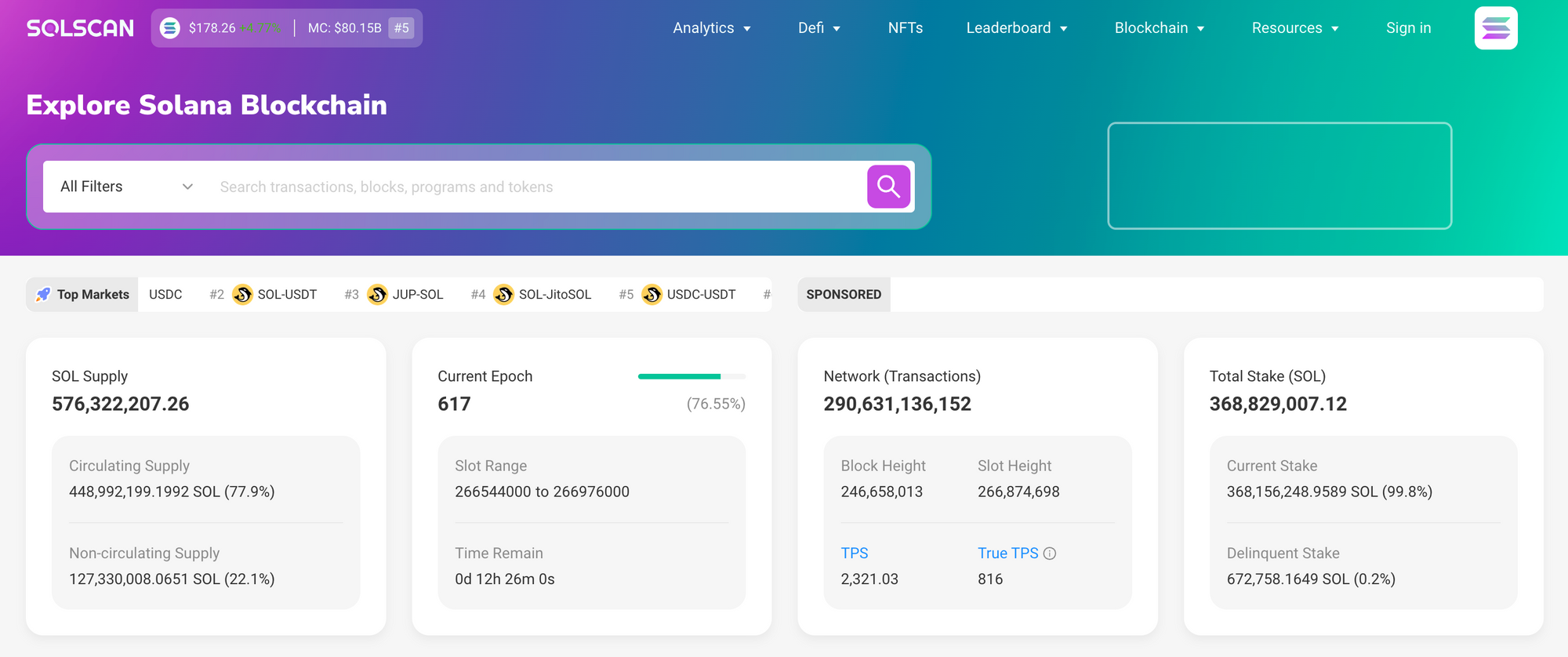
Seriously, it’s fast and reliable. I used several explorers, but one stood out for depth and clarity. It decodes instructions, shows inner transactions, and links mint metadata to hosting storage. For Solana-specific tracking where you need program-aware decoding, visual timelines, and an address annotation layer that aggregates community labels, I repeatedly landed on a tool that made audits faster and mistakes easier to spot, helping me avoid false positives when chasing suspicious flows. If you want to try it, try solscan for depth and speed.
I’ll be honest. Tracking NFTs on Solana is part art, part engineering. You need the right explorer, careful validation, and patience. Initially I thought a basic RPC log would be enough, but after real cases I realized you need enrichment layers and UX affordances that reduce error and make audits defensible, especially when collectors, creators, and platforms disagree about provenance. So use tools wisely, question odd patterns, and document everything.
FAQ
How do I verify an NFT’s mint?
Whoa, start with the mint address. Look up the mint on an explorer timeline to see the raw mint transaction. Check the token metadata link for hosted JSON and the image hosting pointer. Cross-reference the creator address, any signed metadata fields, and marketplace listings, because sometimes collections retroactively change where metadata is hosted or update on-chain references, which can invalidate naive provenance checks if you don’t verify timestamps. Export the transactions and preserve block times for audit trails.