
Whoa — this caught me off guard. Seriously? My first reaction was a little giddy and also a shade suspicious. Hmm… I’d been using software wallets for years, but a slim plastic card that talks to my phone over NFC felt like a tiny revolution. Here’s the thing. I wanted something small, durable, and honest about what it could and couldn’t do.
I bought a Tangem-style crypto card because I’m the sort who hates fumbling with tiny seed phrases during a coffee shop panic. Short, direct, and practical. My instinct said this would be simpler, and actually, wait—let me rephrase that: my gut wanted simplicity, but my head wanted provable security. On one hand I wanted the convenience of tapping my phone; on the other, I wanted the guarantee that my keys weren’t floating around on some cloud service, though actually I didn’t want to give up usability either. Initially I thought the card would feel gimmicky, but then I realized how much friction it removes when you just tap and sign transactions, especially for in-person peer trades or quick checkouts.
Here’s a quick story — and yeah, it’s a small one. I was at a farmers market in Austin, Texas, and the seller accepted crypto via a QR and an NFC tap, and I paid with a card that fits in my wallet. That moment felt oddly normal and weirdly futuristic at once. It was easy very very easy. The seller smiled; I didn’t have to open a laptop, type a seed, or worry about clipboard malware. That convenience is what sells the tech in day-to-day life.
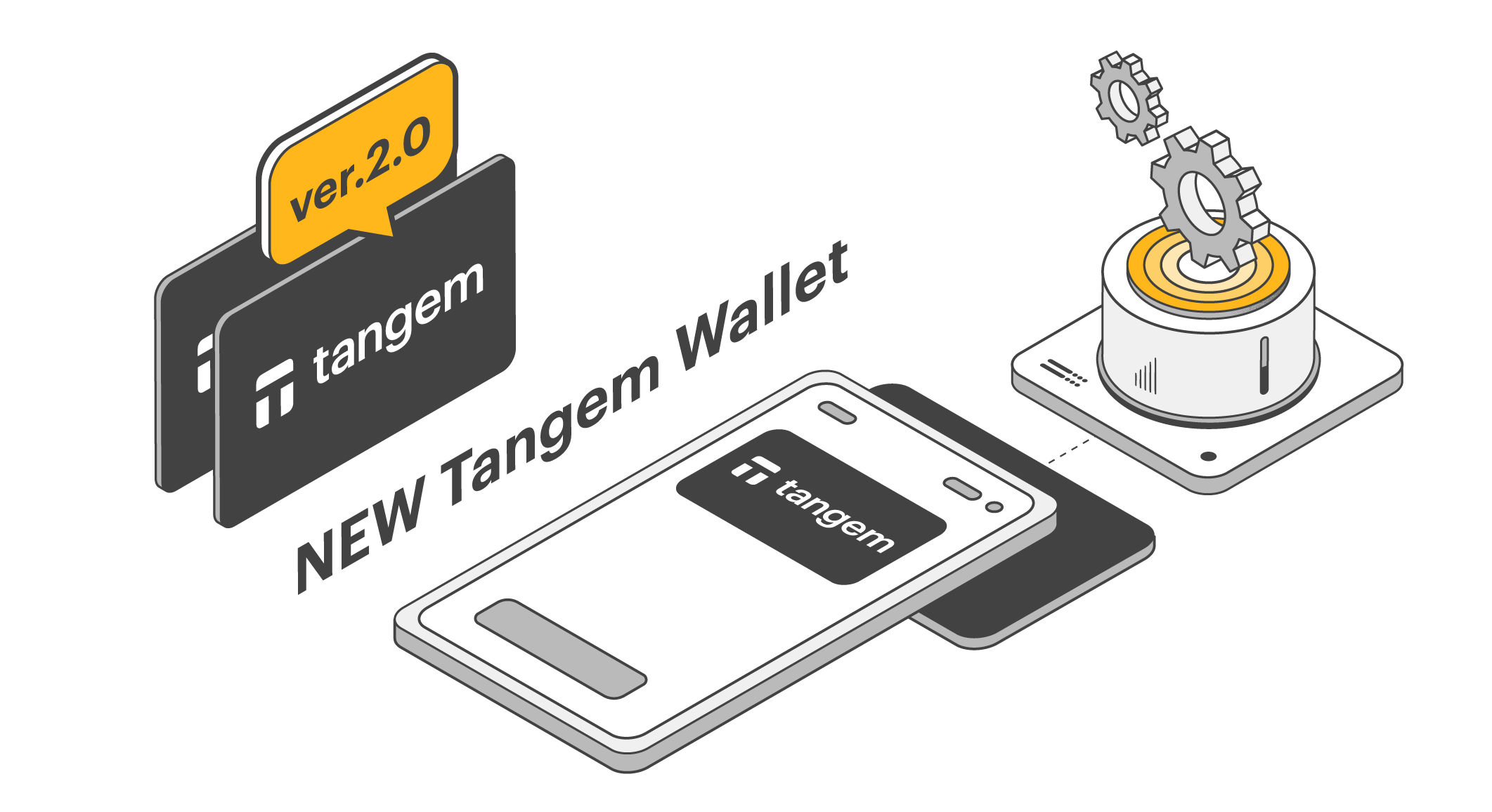
What a crypto card actually is (no fluff)
Okay, so check this out— a crypto card like Tangem is effectively a hardware wallet compressed into a credit-card form factor. Short and stout. It stores private keys on a secure element inside the card and performs cryptographic signing without ever exposing the key material to your phone. That separation matters a lot, especially when your phone might be running apps of dubious provenance, though I admit I still use the phone for transaction confirmations because that’s how the UX is built. Something felt off about early hardware wallets that were clunky and required cables; this card removes those frictions.
Technically speaking: the card uses NFC for communication, allowing signing requests to be sent and signatures to be returned without wires, which is tidy and low-power. On top of that, the card is tamper-resistant, so physical attacks are very difficult unless someone has sophisticated gear and intent. I’m biased, but for everyday users who want a balance of convenience and security, the card model makes a lot of sense. There are tradeoffs though, and I’ll get to those.
First, the wins. You get a near-instant setup; you avoid typing a 24-word phrase in public; and the card can be used offline for signing, though the interface still relies on your phone to craft transactions and broadcast them. These cards are durable — they don’t recharge, they don’t require firmware updates in some designs, and you carry them like a normal piece of plastic. All good stuff. Then again, I’m not 100% sure about long-term support policies for every vendor, and that bugs me a little because life is long and software changes.
Now the limits. If you lose the card and you hadn’t backed up the recovery method, you’re likely out of luck. Ouch. Some versions let you create backup cards or store a recovery seed elsewhere, but that reintroduces complexity. On the other hand, a hardware card reduces the attack surface compared with ledger-on-phone combos; though actually, if someone gets physical access to your unlocked phone plus the card, they might still move funds. So yeah — the usual security caveats apply.
My thinking evolved. I started skeptical, then curious, then pragmatic. Initially I thought hardware cards were only for hype, but using one for a few months changed my view. I saw patterns: fewer mistakes, faster peer-to-peer transactions, and fewer anxious moments when I had to access small amounts of crypto quickly. Still, I ran tests. I attempted simulated recovery scenarios and timed myself doing transactions with and without the card. The results were telling.
Short aside: I like analogies. A Tangem-like card is kind of like a safety deposit box key that never leaves the bank vault; your phone is the courier. It proves ownership without showing the key, and that matters. My instinct said this would cut down on dumb user errors, and indeed it did — there were fewer accidental reveals, fewer copied secrets, fewer backups scribbled on napkins. Still, having a backup plan is critical; think ahead.
Here’s what surprised me most: pairing and onboarding were smoother than I expected. Really. The card and app handshake over NFC, the app displays a one-time signature check, and you’re off. There’s an elegance to the UX that’s rare in crypto tools. That said, not every wallet integrates the same way, and sometimes the wallet app experience is the weakest link — slow updates, confusing prompts, or too many permission asks. Honestly, the app experience can make or break the hardware’s value proposition.
Let’s talk security trade-offs in practical terms. The card’s secure element prevents key extraction via software, which is the main advantage over a phone-only wallet. Medium complexity. If someone tries to clone a Tangem-like card, they’d need advanced fabrication and the original card’s unique secrets, which is extremely hard. However, everything with hardware has a life cycle; vendor abandonment or broken standards could leave users stranded, and that risk is non-trivial. On balance, the technical bar for remote compromise is higher with the card than with typical hot wallets.
On the topic of blockchains: multi-chain support varies. Some cards support dozens of assets natively while others require intermediary apps for certain chains. I learned this the slightly annoying way when I tried to sign a niche token and discovered the app didn’t support it yet. It’s fine — most mainstream coins work well — but if you’re chasing obscure tokens, check compatibility in advance. Oh, and by the way, transaction fee settings are sometimes handled in the phone app, so you still need connectivity to broadcast and sometimes to choose fee levels.
Enough theory — who is this actually for? Short answer: people who want stronger custody than an exchange or mobile-only wallet, yet refuse to become hardware nerds with soldering stations and cold storage rituals. People who travel, who buy coffee with crypto, or who trade peer-to-peer find tangible benefits. I’m not saying it’s perfect for billion-dollar treasuries, though designers are working on enterprise workflows. Also, families who want a simple backup strategy can use multiple cards in a redundant setup, but that doubles the logistics.
Practical tips I learned the hard way: label your card, test recovery procedures immediately, and keep at least one offline backup in a fire-safe or bank vault. Do not store recovery info in plain text on cloud storage, and don’t email it to yourself, please. I say that with love and some judgment because I still see people doing stuff like that. There are safer patterns that are still user-friendly, and tangibly protecting your assets starts with basic hygiene.
If you want to try a card, and you like my vibe here, find more product details and setup notes over here. I’d click, read, and then decide how many backup copies you actually need. Personally, two cards in separate physical locations felt like the right tradeoff between convenience and redundancy for me.
FAQ
Is an NFC crypto card as secure as a hardware wallet like a Ledger?
Short answer: similar principles, different form factors. Both use secure elements to keep private keys off your phone. A card trades a few advanced features for ease of use, while devices like Ledger offer broader app ecosystems and more explicit user control. For many everyday users, the card’s security is more than adequate, but for high-stakes custody, multi-sig and industry-grade hardware might be preferable.
What happens if I lose my card?
If you didn’t create backups or linked recovery cards, recovering funds can be impossible. Ouch. Most sensible setups encourage creating a recovery method or additional cards. Test those recovery steps well before you need them, and consider storing a backup in a safe place.
Can someone skim my card with public NFC readers?
Not really — the card won’t leak private keys just by being near an NFC reader. It responds to authenticated requests and often requires a physical tap or proximity and app confirmation. Still, be cautious in crowded places, and treat the card like cash: protect it, and keep an eye on it.