
Cultural perspectives on gambling understanding global practices and beliefs
Understanding Global Gambling Practices
Gambling is a universal activity that transcends geographical and cultural boundaries, manifesting in various forms across the globe. In some cultures, gambling is deeply entrenched in social practices and traditions, while in others, it is viewed with skepticism or outright prohibition. For instance, countries like China celebrate games of chance, such as Mahjong, during festive periods, reflecting their cultural heritage and communal bonding. This social acceptance contrasts sharply with places where gambling is heavily regulated or frowned upon, indicating a complex web of cultural attitudes towards the practice. With the rise of digital platforms, there are exciting options for those interested in a new crypto casino no kyc experience, adding another dimension to the evolving landscape.
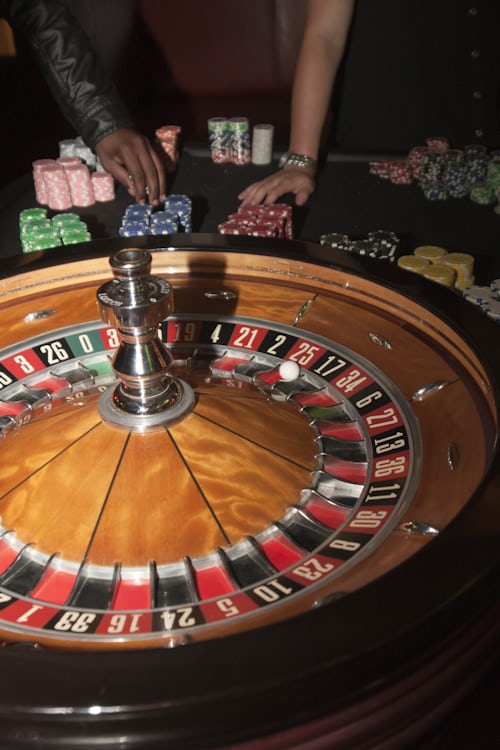
The role of gambling in different societies often intertwines with economic factors. In regions where tourism plays a critical role, like Las Vegas in the United States or Monte Carlo in Monaco, gambling becomes a significant driver of income and employment. These areas have crafted an image of entertainment and luxury around gambling, attracting visitors from various cultures. Conversely, in countries facing economic hardships, illegal gambling operations may thrive, reflecting a desperate search for quick financial relief, which further complicates the cultural landscape surrounding gambling.
Moreover, globalization has influenced gambling practices significantly. The advent of online casinos has made gambling more accessible, crossing cultural boundaries and catering to diverse audiences. As people engage in online gambling, they bring their cultural perspectives into the virtual space, leading to a blend of practices and beliefs. Consequently, understanding the cultural nuances of gambling becomes essential for operators and players alike, as they navigate a globalized landscape that both connects and divides.
Cultural Beliefs Surrounding Gambling
The beliefs surrounding gambling can vary widely between cultures, often impacting how individuals perceive and engage with the activity. In some societies, gambling is considered a form of entertainment, a harmless pastime that fosters social interaction and camaraderie. For example, in many Western countries, the social aspect of visiting a casino with friends is often highlighted, portraying gambling as a fun way to spend time together rather than a mere financial transaction.
Conversely, in cultures where gambling is associated with superstition and bad luck, individuals may approach it with caution. In parts of India, for instance, certain festivals include traditional games that resemble gambling, yet there exists a cultural ambivalence towards serious betting. Such attitudes stem from beliefs that gambling can lead to misfortune and that one should rely on luck or fate rather than risking financial stability. This dichotomy illustrates how cultural beliefs can shape personal attitudes toward gambling.
Furthermore, religious beliefs play a critical role in shaping gambling perspectives. In many Muslim-majority countries, gambling is prohibited due to Islamic law, which categorizes it as haram, or sinful. This prohibition can lead to a cultural stigma against gambling, where engaging in such activities can result in social ostracism. In contrast, other religions may have a more permissive stance, allowing certain forms of gambling during festive occasions, reflecting the complex interplay between cultural and religious beliefs in defining acceptable gambling practices.
The Evolution of Gambling Practices
The evolution of gambling practices is a reflection of changing cultural norms and technological advancements. Historically, gambling has taken various forms, from ancient dice games to modern casinos, adapting to the societal context in which it exists. The introduction of the lottery and state-sponsored gambling in the 20th century marked a significant turning point, as governments began to recognize the potential for revenue generation. This shift illustrated a broader acceptance of gambling as a legitimate economic activity, altering public perceptions.
In recent years, the rise of online gambling has dramatically transformed the landscape of the industry. Virtual casinos offer a diverse range of games that cater to different tastes and cultural preferences, allowing players to engage in gambling activities from the comfort of their homes. This accessibility has spurred debates on regulation and responsible gambling, emphasizing the need for cultural sensitivity in the promotion and management of online gaming platforms.
Moreover, the emergence of cryptocurrencies has introduced a new dimension to gambling practices, as individuals seek out more anonymous forms of gaming. The appeal of no-KYC (Know Your Customer) crypto casinos aligns with a growing desire for privacy and security among players. As these practices evolve, the challenge lies in balancing innovation with cultural considerations, ensuring that the diverse beliefs and practices surrounding gambling are respected and integrated into the modern landscape.
The Impact of Cultural Context on Gambling Regulation
Cultural context plays a crucial role in shaping gambling regulations across different countries. In some regions, governments have embraced gambling as a viable source of tax revenue, leading to the establishment of regulated casinos and online platforms. For example, countries like Australia and Canada have implemented strict regulations to ensure responsible gambling while reaping the economic benefits of a thriving industry. This approach reflects a cultural acceptance of gambling as an acceptable form of entertainment.
In contrast, nations with a conservative cultural outlook may impose stringent restrictions on gambling activities. For instance, many Middle Eastern countries enforce strict laws against gambling, driven by religious beliefs that view it as morally unacceptable. Such regulations not only impact the local industry but also influence international operators seeking to enter these markets, prompting discussions about cultural respect and compliance.
Furthermore, the cultural perceptions of gambling can lead to varying public health responses. In societies where gambling is widely accepted, there may be established support systems for addiction and responsible gaming initiatives. However, in cultures where gambling is stigmatized, individuals may be less likely to seek help due to fear of judgment. This disparity emphasizes the need for culturally informed approaches to regulation and support that consider the unique attitudes and beliefs surrounding gambling in each context.

Exploring Modern Gambling Platforms
As the gambling landscape evolves, modern platforms have emerged to cater to the diverse preferences of global players. Online casinos, for instance, offer a wide array of gaming options that blend traditional practices with innovative technology. Players can now experience everything from classic table games to immersive virtual reality experiences, reflecting the growing demand for engaging and culturally relevant gaming environments.
The rise of mobile gaming has further revolutionized the industry, allowing users to access their favorite games anytime and anywhere. This flexibility appeals to a global audience, as players from varying cultural backgrounds can engage with gambling in ways that suit their lifestyles. Consequently, gambling operators are increasingly aware of the importance of cultural sensitivity in their marketing strategies, ensuring that their offerings resonate with diverse customer bases.
Additionally, the focus on user privacy and security has prompted the growth of no-KYC crypto casinos. These platforms emphasize anonymity and user control, aligning with cultural values that prioritize privacy. By providing a safe and enjoyable gaming experience, these casinos address the preferences of modern players who seek both entertainment and peace of mind in their gambling activities.